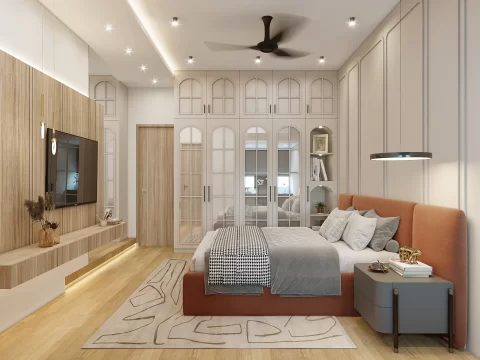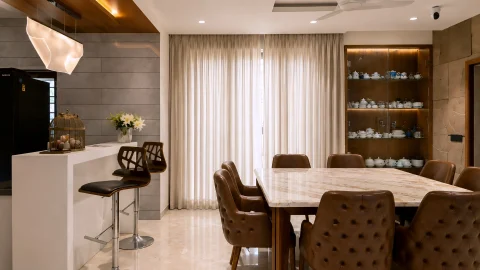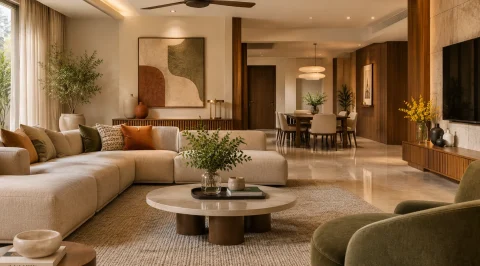


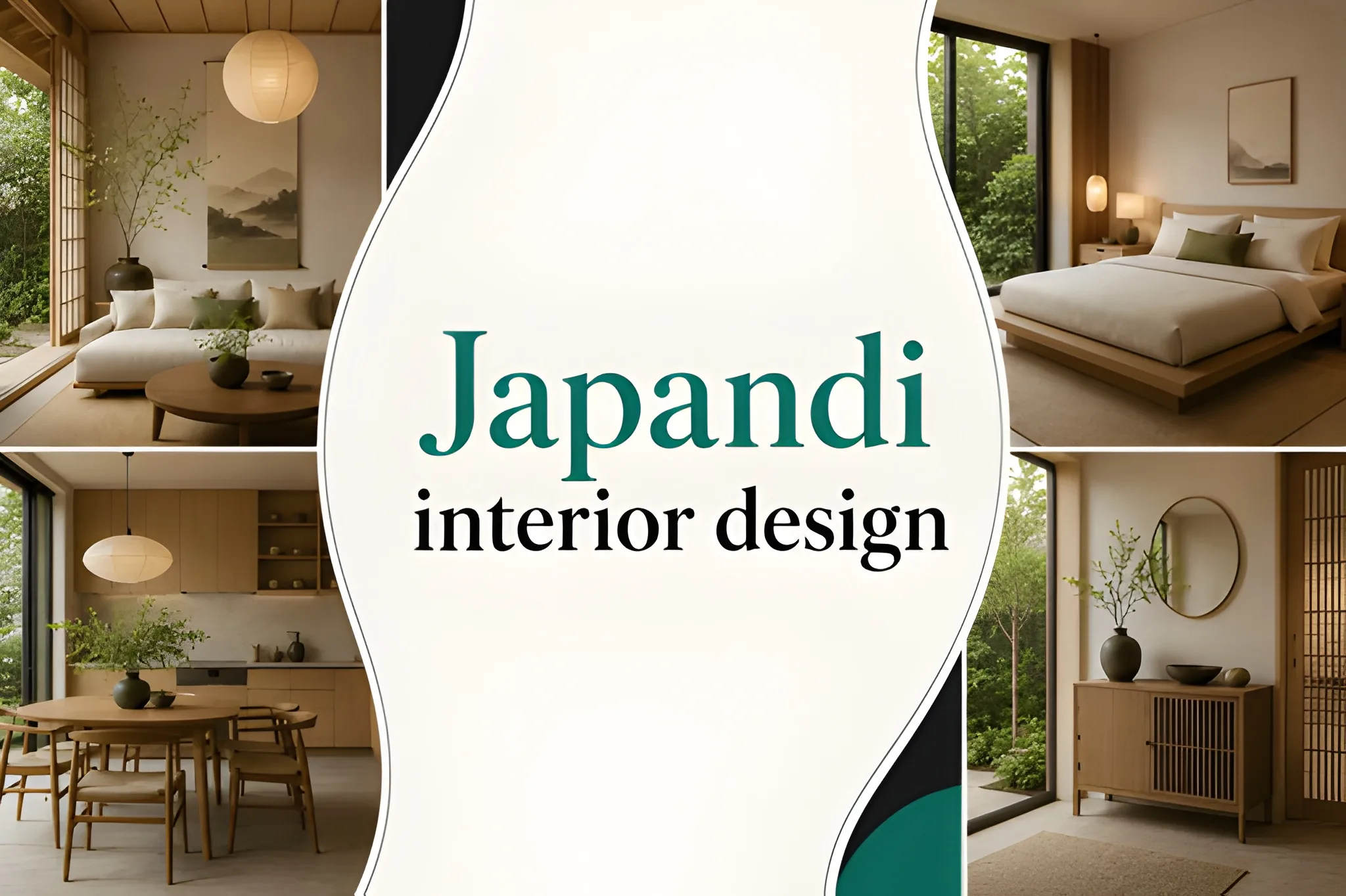
Walk into most new apartments in Bengaluru or Pune today, and you’ll notice a pattern: warm wood tones, low furniture, almost no clutter, and a colour palette that feels calm rather than stark. That look has a name, Japandi, and it’s become one of the most requested styles at Top Interior India over the past couple of years.
What makes Japandi different from “just minimalism” is that it doesn’t feel empty. It borrows the Japanese idea of wabi-sabi, finding beauty in natural, imperfect materials, and pairs it with the Scandinavian sense of cosy, functional living. The result is a home that looks uncluttered but still feels lived-in and warm, which is exactly what most Indian homeowners ask for when they say they want a “minimalist but not cold” home.
What Is Japandi Style? A Clear Definition
Japandi is an interior design style that fuses Japanese wabi-sabi (the appreciation of imperfect, natural beauty) with Scandinavian hygge (cosy, functional simplicity). The result is a warm, understated aesthetic built on natural materials, muted colour palettes, and purposeful, clutter-free spaces.
In short, Japandi = Japanese restraint + Nordic warmth.
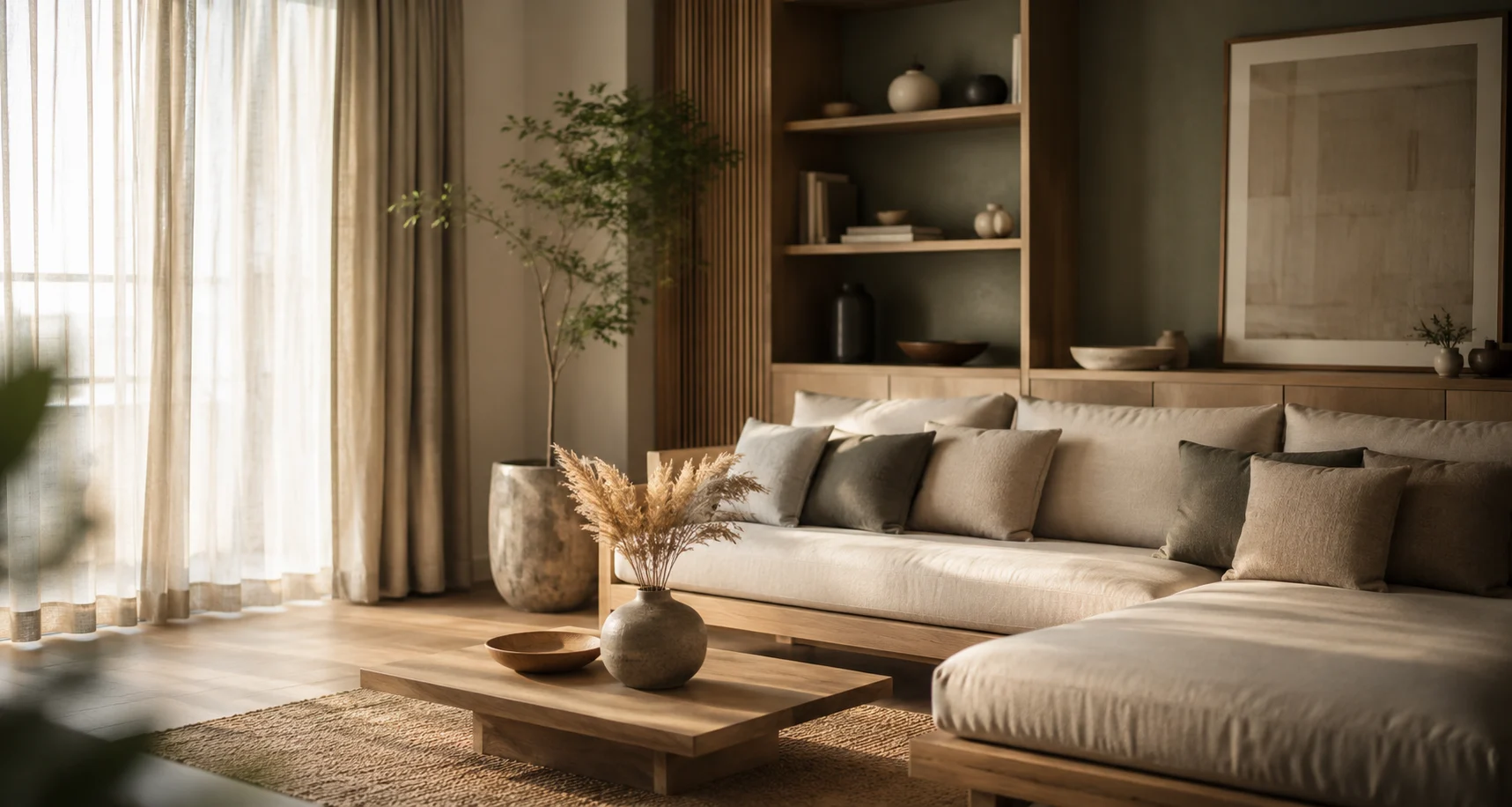
Core Principles of Japandi Design
- Functionality over decoration: every object earns its place
- Natural materials: wood, stone, linen, rattan, clay
- Muted, earthy colour palettes: beige, oatmeal, charcoal, sage, terracotta
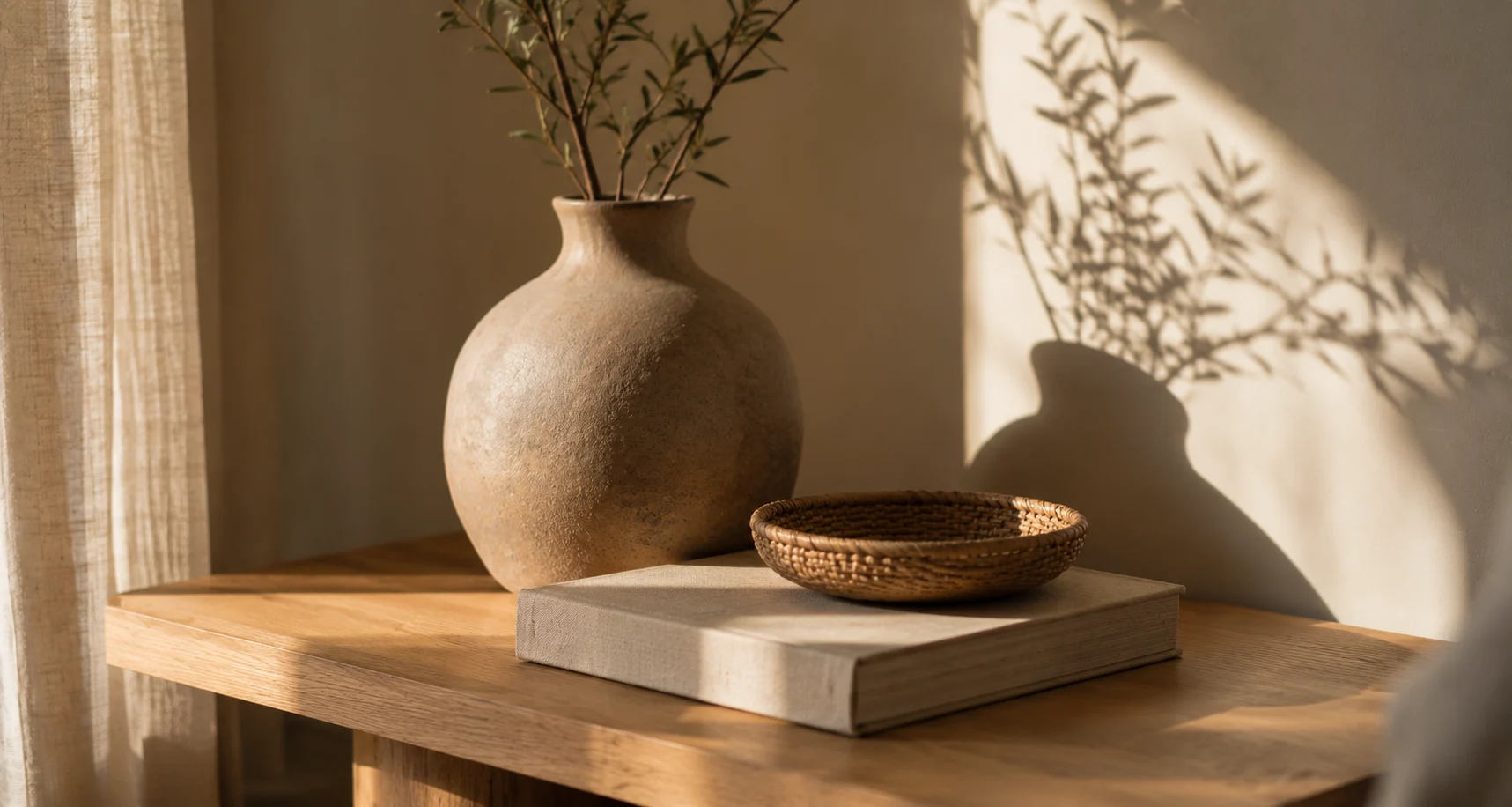
- Craftsmanship and imperfection: handmade textures over machine-perfect finishes
- Negative space: rooms are allowed to “breathe”
- Low, grounded furniture: reflecting traditional Japanese living
Why Japandi Works Well in Indian Homes
Japandi isn’t just aesthetically pleasing, it’s practically suited to Indian living conditions for a few concrete reasons:
- Heat management: Light, breathable fabrics (linen, cotton) and open layouts suit India’s warm climate better than heavy drapery or plush upholstery.
- Compact urban apartments: Japandi’s low furniture and negative space make small 2BHK and 3BHK homes in cities like Mumbai and Gurugram feel larger.
- Local material availability: Materials central to Japandi, teak, sheesham, cane, rattan, terracotta, and local stone, are already produced in Indian craft hubs such as Jodhpur, Saharanpur, and Channapatna.
- Cultural resonance: Wabi-sabi’s respect for handmade imperfection pairs naturally with India’s long tradition of artisanal furniture and pottery.
How to Create a Japandi Interior in India: Step-by-Step
This guide covers what “Japandi” actually means, why it suits Indian homes and climate so well, and how to bring it into your own space room by room, with real material choices and budget ranges you can plan around.
Step 1: Choose a Grounded, Earthy Colour Palette
Base your walls and large surfaces in warm neutrals, think sand, oatmeal, soft clay, or muted sage. Reserve charcoal or deep terracotta for accent walls, cushions, or ceramics. Avoid pure white, which can feel cold under India’s strong natural light.
Step 2: Prioritise Natural, Local Materials
Solid wood or veneer furniture (teak, sheesham, mango wood)
Cane and rattan seating or room dividers
Handloom cotton or linen upholstery and curtains
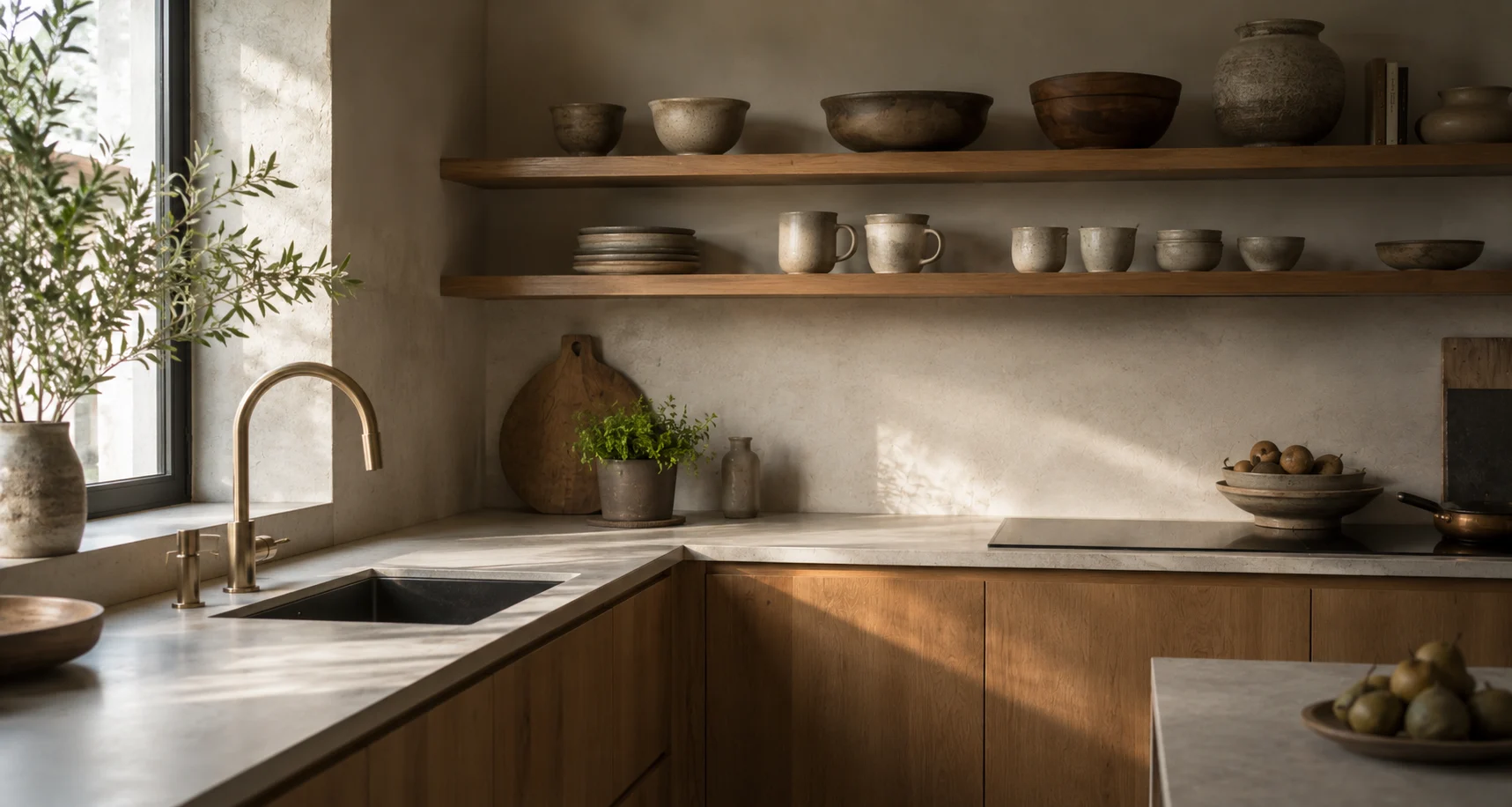
Terracotta, stoneware, or brass accessories from local artisans
Step 3: Declutter and Design Around Negative Space
Japandi rejects visual noise. Use closed storage (built-in wardrobes and low console units) to keep surfaces clear. A good rule: if a room has more than three visible decorative objects on a surface, it’s over-styled.
Step 4: Select Low-Profile, Functional Furniture
Choose sofas, beds, and coffee tables with low silhouettes and clean, straight, or gently rounded lines. Multi-functional furniture, storage ottomans, and extendable dining tables support the “less but better” philosophy in smaller Indian homes.
Step 5: Layer in Texture, Not Colour
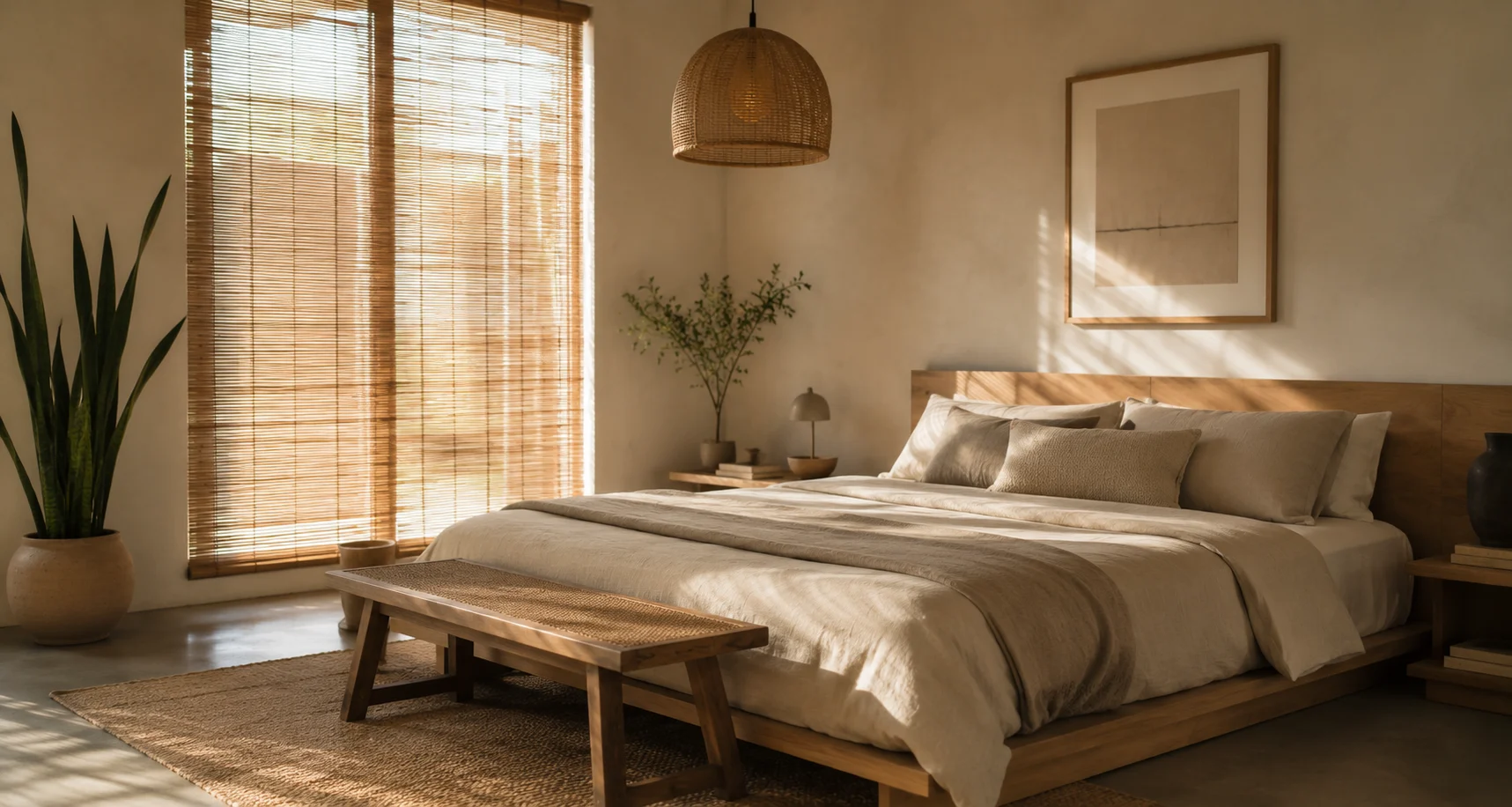
Since the palette stays muted, texture carries the visual interest: a jute rug, a linen throw, unglazed pottery, and matte-finish wood together create depth without adding colour or clutter.
Step 6: Bring in Natural Light and Greenery
Use sheer linen or bamboo blinds instead of heavy curtains. Add low-maintenance plants, such as snake plant, an areca palm, and ZZ plant, in unglazed clay pots to reinforce the organic, grounded feel.
Room-by-Room Japandi Ideas for Indian Homes
Living Room: Low wooden sofa frames with linen upholstery, a jute or wool rug, a single sculptural floor lamp, and open wooden shelving with curated (not crowded) objects.
Bedroom: A low platform bed in solid wood, layered neutral linens, a woven pendant light, and a small tatami-inspired reading nook by the window.
Kitchen: Matte-finish cabinetry in warm wood tones, open shelving with handmade stoneware, and brass or matte-black fixtures instead of chrome.
Home Office: A simple wood desk, a rattan chair, closed cable management, and one statement plant designed for focus, not visual stimulation.
Common Mistakes to Avoid
- Mixing too many wood tones: stick to one or two dominant wood finishes per room
- Overusing white: it reads as cold, not calm, in Indian light conditions
- Buying decor in bulk: Japandi favours a few well-made pieces over many inexpensive ones
- Ignoring storage planning: clutter kills the Japandi look faster than any wrong colour choice
Key Takeaways
- Japandi blends Japanese wabi-sabi with Scandinavian hygge for a warm, functional minimalist look.
- It suits Indian homes well due to climate compatibility, local material availability, and space efficiency in urban apartments.
- Focus on natural materials, muted earthy tones, low-profile furniture, and negative space rather than decoration.
- A Japandi makeover in India typically ranges from ₹1,00,000 for a single room to ₹15,00,000+ for a full home, depending on scale and customization.
- Texture and craftsmanship, not color variety, create visual interest in this style.
FAQs
Japandi is an interior design style that combines Japanese minimalism (wabi-sabi) with Scandinavian cosiness (hygge), using natural materials, muted colours, and functional, clutter-free layouts.
Japandi uses warm, earthy neutrals such as beige, oatmeal, sand, charcoal, and sage green, with occasional muted terracotta or clay accents.
Scandinavian style favours cool, bright whites and pastels, while Japandi uses warmer, earthier tones and incorporates more natural texture and imperfection, inspired by Japanese wabi-sabi.
A single room typically costs ₹1,00,000 to ₹4,00,000, while a full 2BHK home ranges from ₹6,00,000 to ₹15,00,000, depending on the city, materials, and customization.
Teak, sheesham, and mango wood, along with cane, rattan, linen, cotton, and terracotta, work well because they are locally available and suited to Indian craftsmanship and climate.